Local SEO for Small Businesses: Five Quick wins that Actually Move the Needle
Filed Under


If you’re a small business owner, if someone literally typed what you do + your city into Google… would you show up? If you don’t, you aren’t alone.
It’s not because you’re bad at business. And it’s definitely not because Google “hates you.” This is an SEO and systems problem. That’s it.
Most business owners do exactly what they’re told to do. They build a website. They set up Instagram. Maybe they create a Google Business Profile. And then they wait – to hear crickets unless they personally know the person.
Guess what, local SEO is actually one of the fastest ways to get found online when you understand what matters and what doesn’t. And spoiler: what matters most is clarity and quality.
In this post, I’m breaking down the five local SEO tips I use with my clients. These are the same strategies I use to help massage therapists, stylists, photographers, home organizers, and service providers show up when someone searches “near me”
Ep 79 \\ My Quick Top 5 Tips to help with Local SEO as a Small Business Owner
.What local SEO really is
Local SEO is Google trying to answer one question: Who is the best option nearby?
That’s it.
Google isn’t trying to trick you. It’s trying to help the person searching. When someone types massage near me or home organizer in Austin, Google looks for signals.
Your job is to give Google very clear signals about:
- What you do
- Where you do it
- Who you serve
- And whether you’re trustworthy
Here’s the part most people miss. Local SEO is actually easier than national SEO.
You’re not competing with the entire internet. You’re competing within a radius. But if you never clearly tell Google where you are, it can’t place you anywhere.
And when Google is confused? It skips you.
Google Business Profile optimization is your fastest win
Your Google Business Profile is not your website.
But it is your storefront.
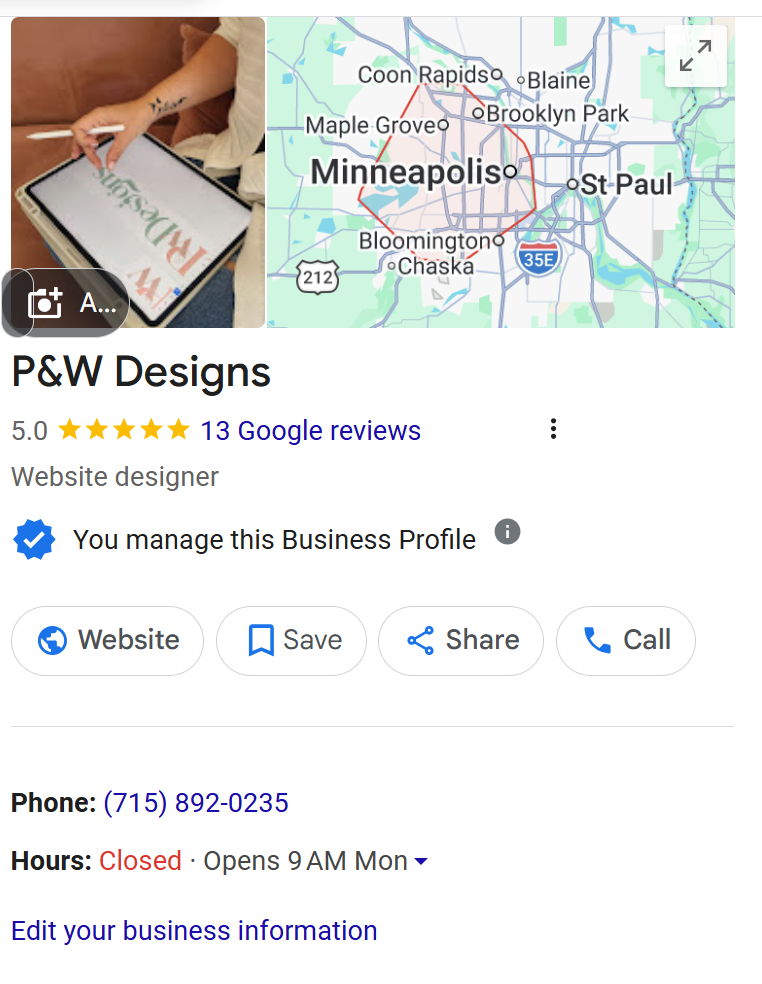
It may be the first impression someone gets of your business. Before your website. Before Instagram. Before anything else.
Most business owners treat it like a one-time setup. They fill it out once and never touch it again. I want you to think about it like a storefront window. If it’s dusty, outdated, or missing information, people walk right past. Your profile should feel alive.
Here’s what actually matters:
- Your primary category is accurate
- Services are added with clear descriptions and keywords
- Photos are uploaded regularly
- Weekly posts (yes, Google reads these)
- A rewritten business description using search language
- Consistent, quality reviews
Here’s the mindset shift most people need: Your Google Business Profile isn’t just a listing.
It’s content.
And if you’re overwhelmed, start here. This is often the fastest local SEO win you’ll get.
Location keywords are not optional
This is where I see most websites fail. Beautiful sites. Great branding. Solid offers. And nowhere do they say where the business is located.
Your website needs to clearly say what you do and where you do it. Not hidden in the footer. Not buried in tiny text. Not implied. I hear this all the time:
- “I don’t want to look small.”
- “Google will figure it out.”
- “I don’t want to tie myself to one location.”
But Google needs clarity more than cleverness. If your site says, I help women feel confident, Google has no idea where to place you. If your site says, Color analysis services in Edina, Minnesota? Now Google knows exactly what to do.
I’ve watched a client go from zero organic traffic to top five rankings in the Twin Cities simply by fixing this. Same business. Same services. Just clear location language on every page.
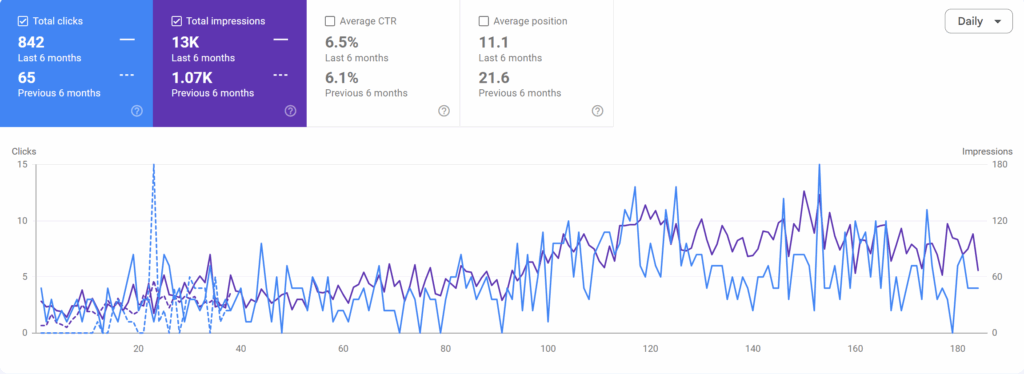
If your site doesn’t say where you are, you don’t exist locally.
Location pages (even if you’re mobile or don’t have a physical address)
This one gets skipped, or done very badly by outdated SEO agencies. Yes, you can create location pages even if:
- You’re mobile/ or online only
- You don’t have a storefront
- You serve a region instead of one city
A good location page clearly explains:
- Who you serve
- Where you work
- What you offer
- Why you’re different
It can include:
- Service areas
- FAQs
- Internal links
- Reviews
- Local context
What it should not be is duplicated content with city names swapped out. I see SEO agencies do this all the time. Google reads it as duplicate content and simply won’t index it. If you’re going to create location pages, they need to be truly unique. When done well, Google loves them and your customers love them because their questions are answered before they even ask.
Reviews are SEO content, not just social proof
Reviews are not just for credibility. Google treats them like content. When someone writes, best massage therapist in Spring Park, that language becomes part of your authority. When asking for reviews, don’t just say, “Can you leave a review?”
Ask for:
- What service they received
- Where they received it
- What problem was solved
And always respond. Responses show activity. Activity shows trust. Trust increases visibility. You don’t need hundreds of reviews. You need consistent, relevant ones.
Technical setup is the foundation
This is the unsexy part that changes everything. You need:
- Google Search Console
- Google Analytics
- A submitted sitemap
- Indexed pages
- Clean internal links
Most designers skip this because it’s not part of “basic SEO.” But if Google can’t read your site, none of the other work matters. You can’t improve what you can’t see.
This is exactly why I created my SEO Monitoring Tools Guide. If your foundation isn’t set, start there.
Practical takeaways you can act on this week
If you want a simple plan, start here:
- Audit and update your Google Business Profile
- Add your location to headers on main pages
- Ask for one review this week using prompts to include services or location
- Check that Search Console and Analytics is installed and working
- Pick one fix instead of spiraling
FAQs people actually search for
Local SEO can move faster than national SEO, especially once clarity issues are fixed. Small changes can make a noticeable difference within weeks but, as always, SEO takes time and consistency.
No. Service-area and online businesses can rank locally with the right setup and clear location language.
Yes. For many local businesses, it’s the single biggest driver of visibility before a website is even clicked.
Local SEO doesn’t have to be complicated.
Google isn’t asking you to do everything or be everywhere. It’s simply trying to understand what you do, where you do it, and whether you’re a solid option for the person searching.
If your visibility feels messy right now, that doesn’t mean you need more tips or more platforms. It usually means you need one clear next step and a plan that actually makes sense for your business.
If you want help figuring out what to fix first, a one-hour strategy call can bring instant direction. And if you want local SEO done right from the ground up, my SEO Foundations & Implementation service is built for exactly that.