Vibe Coding Is a Tool, Not an SEO Strategy. Here’s the Difference
Filed Under

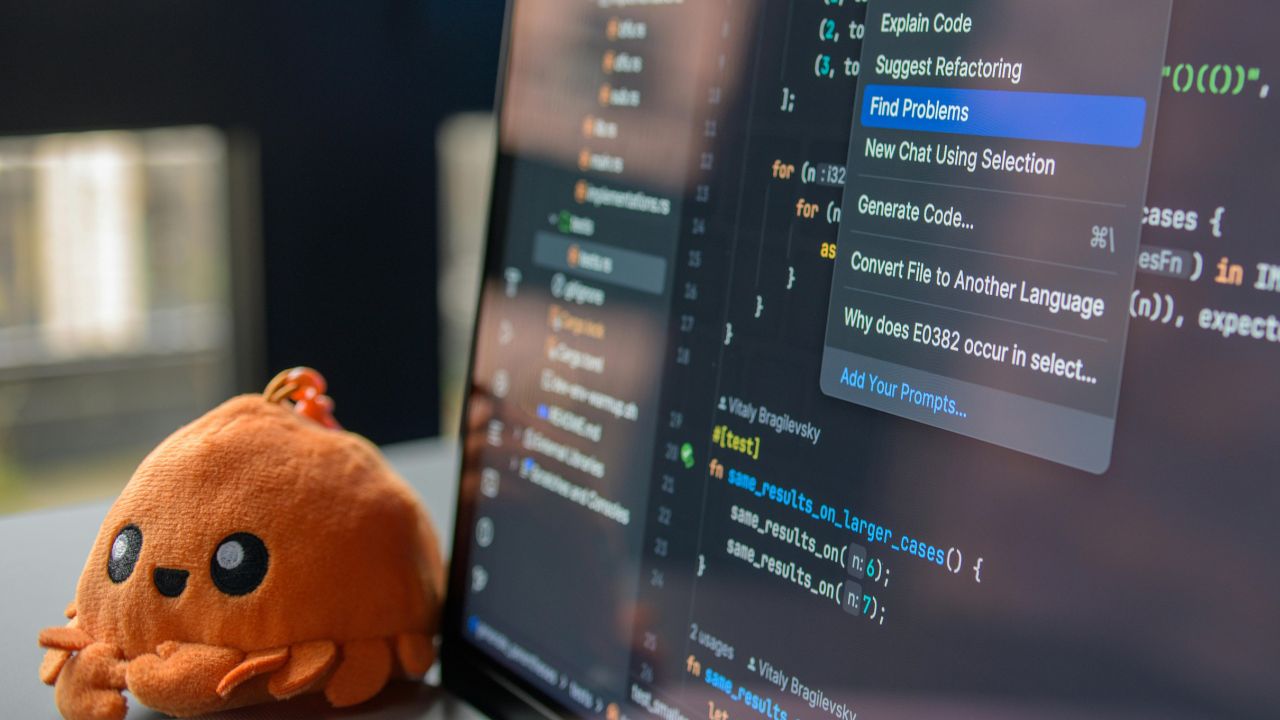
AI can build your website in 20 minutes. That part is true. But here’s what nobody talks about: that same website could be quietly killing the search authority you’ve spent years trying to build.
Vibe coding is everywhere right now. And if you’ve been building or updating your website with AI tools, this post is for you. Not to scare you. Not to tell you to stop. But to make sure you actually understand what you’re getting, and what you’re not.
By the end of this, you’ll know exactly where vibe coding helps, where it hurts your SEO, and what you need to do about it.
84 \\ The Truth About Vibe Coding (And Why It Might Be Hurting Your Search Authority)
What Is Vibe Coding?
Vibe coding is when you use AI to build or edit your website without writing any code yourself. You type in what you want, the AI builds it, and you’ve got something live in minutes.
Tools like ChatGPT, Claude, and Cursor have made this possible. But the platform I’m seeing most entrepreneurs gravitate to right now is Lovable. And honestly? The output looks really good. Layouts feel complete. Sections are polished. It genuinely looks like a real website.
And that’s part of the problem.
Because when something looks done, we assume it is done. But vibe coding and a solid SEO strategy are two very different things.
3 ways Vibe Coding is Helpful
I want to be clear: I am not anti-AI. I use it. I like it. And there are real, legitimate use cases for vibe coding, especially for business owners building their own sites.
- Layout brainstorming: Instead of staring at a blank page, you can prompt AI for three layout options for a service page or about page. It’s a starting point, not a finished product.
- Working around restrictive builders: Some platforms, like Go High Level, are incredibly limiting for design. Vibe coding can help you add custom coded sections that the builder doesn’t normally allow.
- Speed for low-stakes pages: Testing an idea, spinning up a promo page, or building something you’ll iterate on quickly? Vibe coding is great for that.
The key word in all of these is support. Vibe coding works best when it’s supporting your strategy, not replacing it.
Where Vibe Coding Hurts Your SEO
Here’s the part no one is talking about. When AI builds your site, it builds exactly what you ask for. Nothing more. If you ask for a clean, modern landing page, that’s what you’ll get. But you won’t automatically get:
- A filled-in title tag
- A meta description
- Proper heading structure (your H1 and H2s)
- Image alt text
- Internal links
- Schema markup
All of that only exists if you intentionally prompt for it and set it up yourself. And most business owners don’t, not because they’re choosing to skip it, but because they don’t know they need to ask.
This is the “you don’t know what you don’t know” problem. And it’s the biggest vibe coding SEO issue I see.
The average entrepreneur building on Lovable is not sitting there prompting: “Set a unique, keyword-optimized meta description for every page under 155 characters with a natural call to action.” They don’t know that’s a thing they need to ask. The AI is not going to volunteer it.
So the site looks done. It feels done. You hit publish. And Google shows up, looks around, and sees almost nothing to work with. No signals. No context. No reason to rank you.
And the frustrating part is that SEO doesn’t fail fast. It fails after two or three months when you’re wondering why you’re not getting any traffic. The answer was sitting in your page settings the whole time.
The Subdomain Trap That’s Splitting Your SEO Authority
This one catches people off guard constantly, and it’s exactly what inspired this post.
Here’s the scenario. Your main website is already live. You’ve been adding content, building pages, doing some SEO work. Your domain authority is growing. Then you want to launch a new offer fast, so you hop on Lovable, build a sales page, and connect it as a subdomain. Something like sales.yourbusiness.com.
Seems totally reasonable. Quick, easy, looks good.
Here’s the problem: Google treats subdomains as completely separate websites.
Any traffic that sales page gets, any backlinks it earns, any authority it builds, it stays on the subdomain. It does not flow back to your main website. You are building equity in a completely different place, starting from scratch, and splitting your SEO power in the process.
Most people have no idea that’s what just happened.
Subdomains are fine if you have no SEO foundation yet and just need something live quickly. But if you’ve been intentional about building your website’s authority, do not siphon it off onto a subdomain that lives somewhere else.
The smarter move is to add your sales page as a subdirectory on your existing domain. That looks like yourbusiness.com/your-offer. The traffic, the authority, the SEO value all stays home and feeds your main site. It’s a small technical detail that makes a massive difference over time. If you want to dig into how your overall website SEO strategy is set up, that’s a great place to start.
What to Do Instead: Vibe Coding the Right Way
You do not need to stop using AI to build your site. You need to stop assuming the SEO layer is handled. Here’s how to approach it differently:
- Treat SEO as a separate step. After AI builds the page, go back through it manually. Check the title tag, meta description, H1, image alt text, and URL slug. These do not fill themselves in.
- Your content strategy has to come from you. AI does not know your customers, your keywords, or what people are actually searching for. The research and strategy are yours. AI helps you execute, not think.
- Use vibe coding for structure, not strategy. Let AI handle the layout and the build. Keep the strategy, copy direction, and keyword intent in your own hands.
- Know the non-negotiables. Every page needs a clear title tag, a meta description, one H1, properly structured H2s, and alt text on all images. That is your floor.
- Keep everything under your main domain. If you want your website to grow, your content needs to live in one place, not scattered across subdomains.
Vibe Coding Is a Tool. SEO Is a Strategy.
AI can absolutely be part of how you build and maintain your website. But the part you cannot outsource to vibes is your search strategy. That requires intention, keyword research, and a plan that’s built around your actual business.
Vibe coding can build you a beautiful site. It cannot build you a findable one. That part is still on you.
Before you close this tab, go look at one page on your website and check four things: the title tag, the meta description, the H1, and the alt text on one image. If any of those are blank or have never been touched, that’s your starting point.
And if you look and realize it goes deeper than one page, that’s exactly what I help with. Head over to bypwdesigns.com and let’s talk about what your site actually needs.
Leave a Reply